
Pain is the body’s natural warning system. It alerts us to injuries or illnesses that require attention. While most pain improves as the body heals, some people continue to experience pain for months or even years. This is known as chronic pain, a condition that affects millions of people worldwide and can significantly impact physical health, emotional well-being, work, relationships, and overall quality of life.
Unlike short-term pain, chronic pain often persists even after the original injury has healed. It may result from an underlying medical condition, nerve damage, arthritis, cancer, spinal disorders, or, in some cases, develop without a clearly identifiable cause. Living with chronic pain can make everyday activities—such as walking, working, sleeping, or spending time with family—more difficult.
The good news is that surgery is not always necessary. Modern pain management focuses on identifying the root cause of pain and providing personalized, evidence-based treatments that improve function, reduce discomfort, and help patients return to their daily lives.
In this guide, you’ll learn everything you need to know about chronic pain, including its causes, symptoms, diagnosis, treatment options, and practical steps you can take to manage it effectively
What Is Chronic Pain?
Chronic pain is pain that lasts more than three months or continues beyond the expected healing period of an injury or illness. It may be constant or intermittent, mild or severe, and can affect almost any part of the body.
Unlike acute pain—which serves as a protective signal after an injury—chronic pain may continue even when no ongoing tissue damage exists. In some cases, the nervous system becomes overly sensitive, causing pain signals to persist.
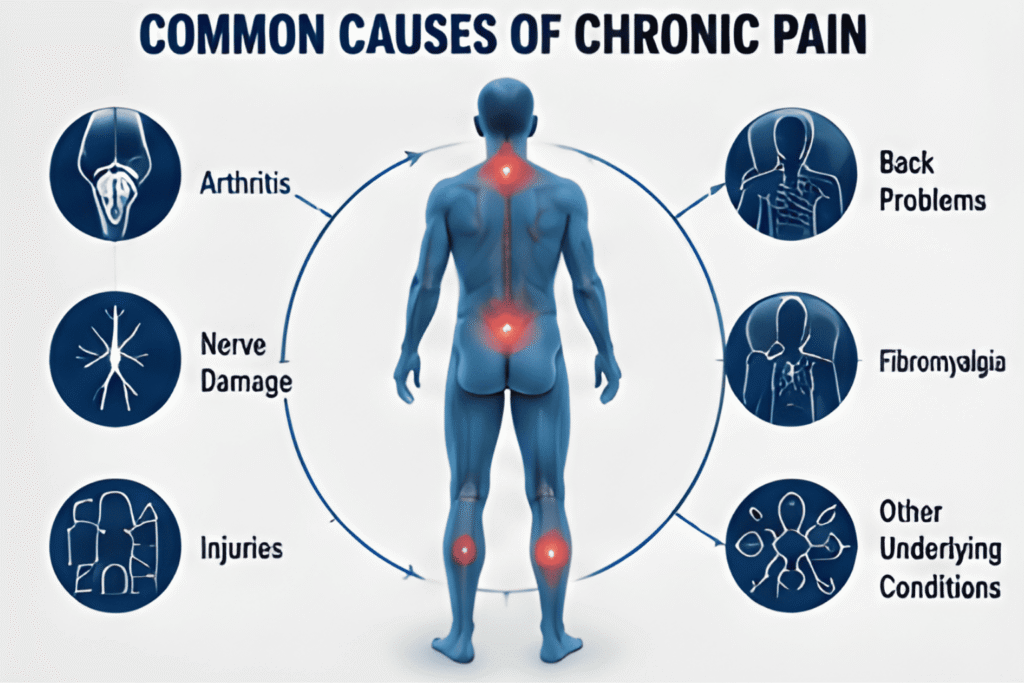
Common areas affected include:
- Lower back
- Neck
- Shoulders
- Knees
- Hips
- Hands and joints
- Legs and feet
- Head and face
Pain can range from a dull ache to burning, stabbing, throbbing, shooting, or electric shock-like sensations. Some patients also experience numbness, tingling, stiffness, or muscle weakness.
Without proper treatment, chronic pain can interfere with sleep, mobility, concentration, mood, and overall health.
Types of Chronic Pain
Understanding the type of pain helps doctors recommend the most appropriate treatment.
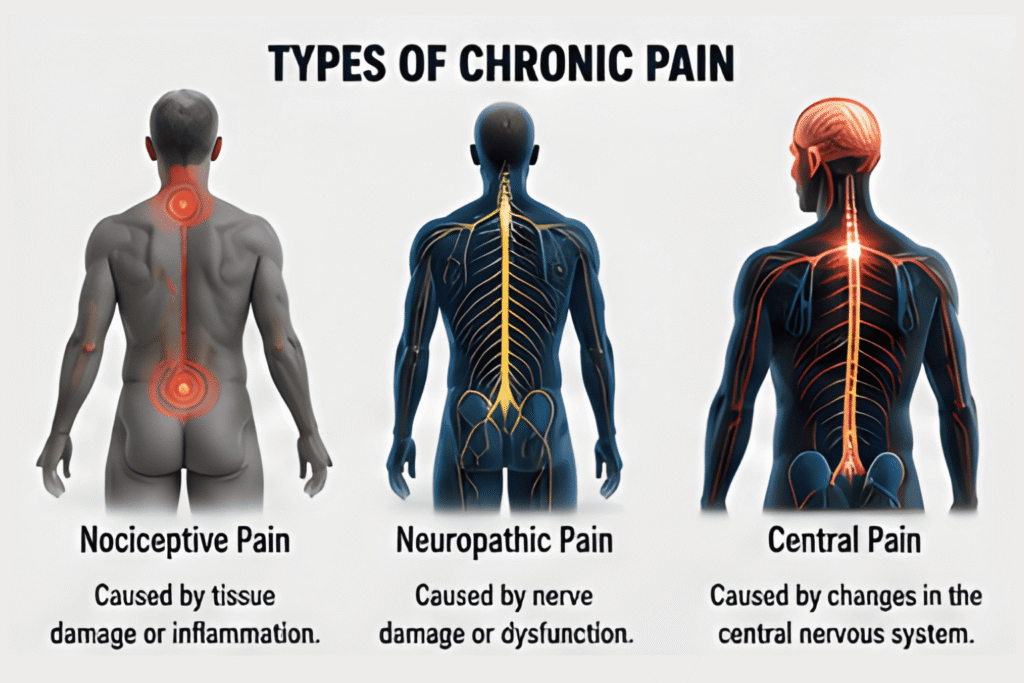
1. Nociceptive Pain
This pain occurs when body tissues such as muscles, bones, joints, or ligaments are injured or inflamed.
Examples include:
- Osteoarthritis
- Sports injuries
- Muscle strains
- Joint inflammation
- Bone fractures
Patients often describe this pain as aching, throbbing, or sharp during movement.
2. Neuropathic Pain
Neuropathic pain results from damage or irritation to the nerves.
Common causes include:
- Diabetes
- Sciatica
- Spinal disorders
- Nerve compression
- Shingles
- Chemotherapy-related nerve damage
Symptoms may include:
- Burning pain
- Electric shock-like sensations
- Tingling
- Numbness
- Increased sensitivity to touch
3. Musculoskeletal Pain
This type affects muscles, bones, tendons, ligaments, and joints.
Examples include:
- Chronic back pain
- Neck pain
- Frozen shoulder
- Arthritis
- Tendon injuries
It often worsens with movement or prolonged sitting and standing.
4. Cancer-Related Pain
People living with cancer may experience pain caused by the tumor, treatment side effects, or nerve involvement.
Modern pain management techniques can help improve comfort and quality of life through medications, minimally invasive procedures, and supportive care.
5. Visceral Pain
Visceral pain originates from internal organs.
It may occur due to conditions affecting the:
- Liver
- Kidneys
- Pancreas
- Intestines
- Gallbladder
Patients often describe it as deep, cramping, or pressure-like pain.
Common Causes of Chronic Pain
Chronic pain can develop from many different medical conditions. Identifying the underlying cause is one of the most important steps in creating an effective treatment plan.
Arthritis
Arthritis is one of the leading causes of chronic pain, especially among older adults. It causes inflammation, stiffness, swelling, and reduced movement in the joints.
Commonly affected joints include the knees, hips, shoulders, and hands.
Back and Neck Problems
Conditions such as slipped discs, spinal degeneration, spinal stenosis, and poor posture can lead to long-term back or neck pain.
Pain may spread into the arms or legs if nearby nerves become compressed.
Nerve Damage
Damaged nerves can continue sending pain signals even after healing has occurred.
Nerve-related pain may result from:
- Diabetes
- Trauma
- Surgery
- Infections
- Vitamin deficiencies
- Spinal conditions
Sports and Workplace Injuries
Repetitive movements, heavy lifting, poor ergonomics, and untreated injuries may lead to persistent pain that affects daily activities.
Early diagnosis and rehabilitation often help prevent long-term complications.
Cancer
Pain associated with cancer may occur due to:
- Tumor growth
- Pressure on nerves
- Bone involvement
- Surgical procedures
- Chemotherapy
- Radiation therapy
Specialized pain management plays an important role in improving comfort and maintaining quality of life.
Fibromyalgia
Fibromyalgia is a long-term condition characterized by widespread muscle pain, fatigue, sleep disturbances, and increased sensitivity to pain.
Although the exact cause remains unclear, early diagnosis and multidisciplinary treatment can significantly improve symptoms.
Autoimmune Diseases
Conditions such as rheumatoid arthritis and lupus may cause ongoing inflammation, resulting in chronic joint and muscle pain.
Managing inflammation effectively often reduces pain and improves mobility.
Poor Posture and Sedentary Lifestyle
Sitting for long hours, limited physical activity, obesity, and weak core muscles place additional stress on the spine and joints.
Making simple lifestyle changes, including regular exercise and proper posture, can help reduce pain and prevent future problems.
Why Early Treatment Matters
Many people assume that chronic pain is simply a part of aging or believe they must “live with it.” However, untreated pain can gradually affect every aspect of life.
Early assessment by a pain specialist allows the underlying cause to be identified and treated before the condition becomes more severe. Timely intervention can improve mobility, restore independence, reduce the need for surgery, and enhance overall quality of life.
Modern pain management focuses not only on reducing pain but also on helping patients return to the activities they enjoy with greater confidence and comfort.
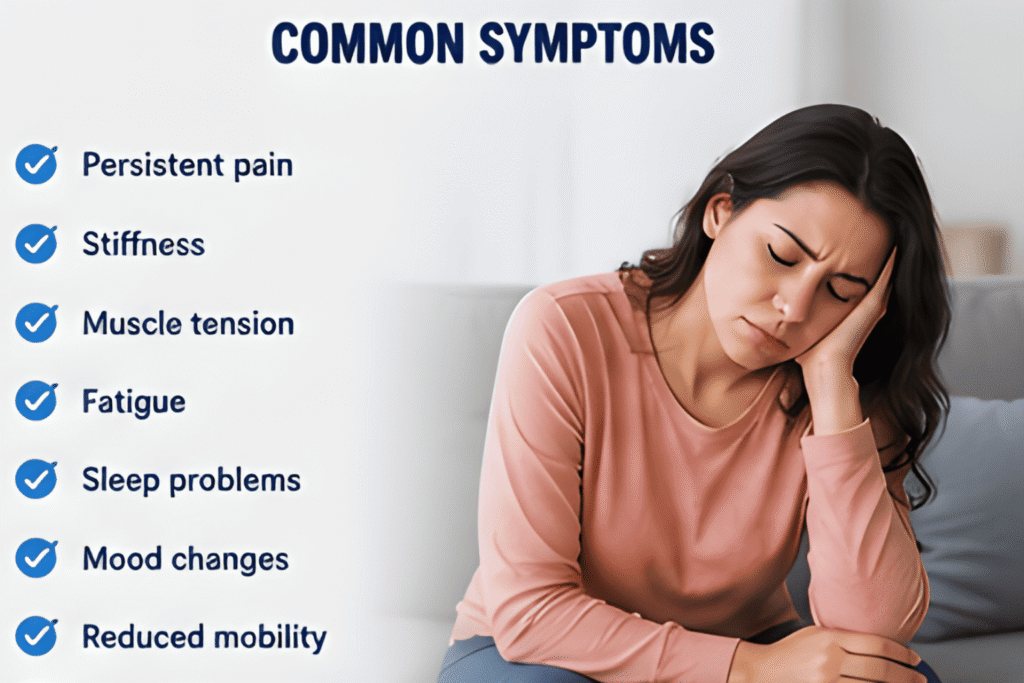
Symptoms of Chronic Pain
Chronic pain affects each person differently. While some people experience constant discomfort, others may have pain that comes and goes. The intensity can vary from mild to severe and may change depending on activity levels, stress, or underlying medical conditions.
Common symptoms include:
- Persistent pain lasting longer than three months
- Dull, aching discomfort
- Sharp or stabbing pain
- Burning or tingling sensations
- Throbbing pain
- Stiffness in muscles or joints
- Reduced flexibility and mobility
- Muscle weakness
- Swelling around affected joints
- Numbness or “pins and needles”
Many patients also experience symptoms beyond physical pain, such as:
- Difficulty sleeping
- Fatigue or low energy
- Reduced concentration and memory
- Anxiety or stress
- Depression or low mood
- Loss of appetite
- Difficulty performing daily activities
If pain begins affecting your work, sleep, relationships, or emotional well-being, it is important to seek medical evaluation rather than trying to manage it alone.
Warning Signs You Should Never Ignore
While some aches improve with rest, certain symptoms require prompt medical attention.
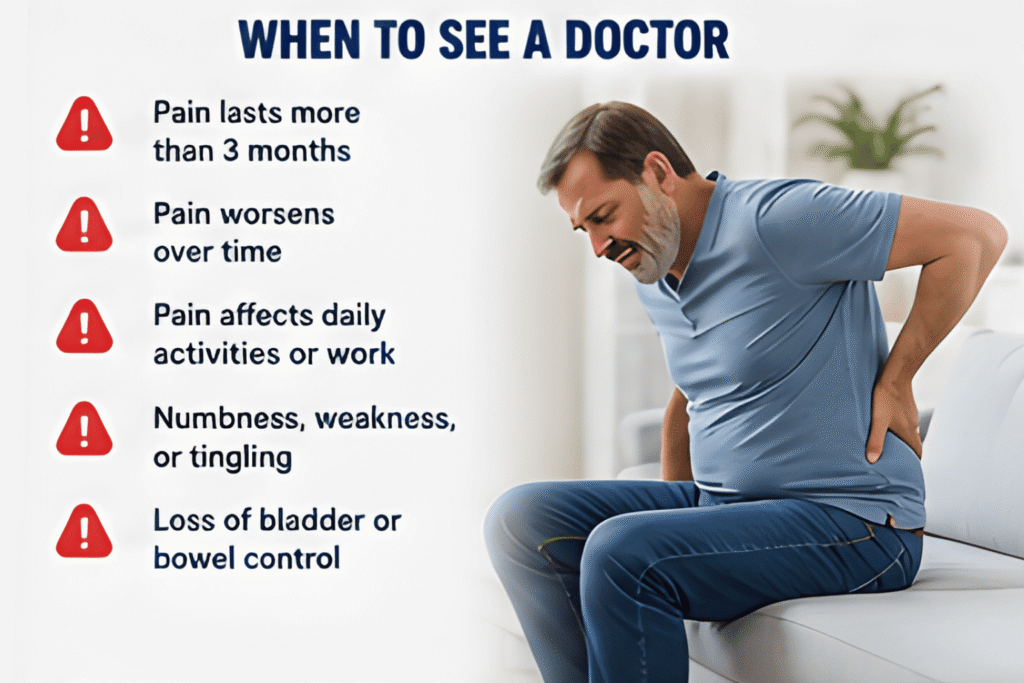
Consult a healthcare professional if you experience:
- Pain lasting longer than three months
- Pain that becomes progressively worse
- Severe pain after an injury
- Sudden numbness or weakness in the arms or legs
- Difficulty walking or maintaining balance
- Loss of bladder or bowel control
- Fever associated with persistent pain
- Unexplained weight loss
- Night pain that frequently wakes you from sleep
- Pain that does not improve despite medication or rest
Early diagnosis often leads to more effective treatment and may prevent long-term complications.
Risk Factors for Chronic Pain
Although chronic pain can affect anyone, certain factors increase the likelihood of developing persistent pain.
Age
As people age, natural wear and tear on joints, muscles, and bones increases the risk of conditions such as osteoarthritis, spinal degeneration, and chronic back pain.
Previous Injuries
Old fractures, ligament injuries, sports injuries, or surgical procedures may continue causing discomfort long after the tissues have healed.
Poor Posture
Spending long hours sitting, especially with incorrect posture, places additional stress on the neck, shoulders, and lower back.
Office workers and individuals who frequently use computers often experience posture-related pain.
Obesity
Excess body weight increases pressure on weight-bearing joints such as the knees, hips, and spine, making chronic pain more likely.
Maintaining a healthy weight can significantly reduce joint stress and improve mobility.
Lack of Physical Activity
Weak muscles provide less support for the spine and joints, increasing the risk of chronic pain.
Regular stretching and low-impact exercise help strengthen muscles and improve flexibility.
Repetitive Movements
Jobs involving repetitive lifting, bending, typing, driving, or standing for extended periods can contribute to long-term musculoskeletal pain.
Proper workplace ergonomics and regular movement breaks are important preventive measures.
Chronic Medical Conditions
Several health conditions are commonly associated with chronic pain, including:
- Osteoarthritis
- Rheumatoid arthritis
- Diabetes
- Fibromyalgia
- Osteoporosis
- Cancer
- Multiple sclerosis
- Peripheral neuropathy
Managing these conditions effectively can help reduce pain and improve quality of life.
Stress and Mental Health
Physical pain and emotional health are closely connected.
Long-term stress, anxiety, depression, and poor sleep can increase the body’s sensitivity to pain, creating a cycle where pain worsens emotional distress and vice versa.
Comprehensive pain management often addresses both physical and psychological factors.
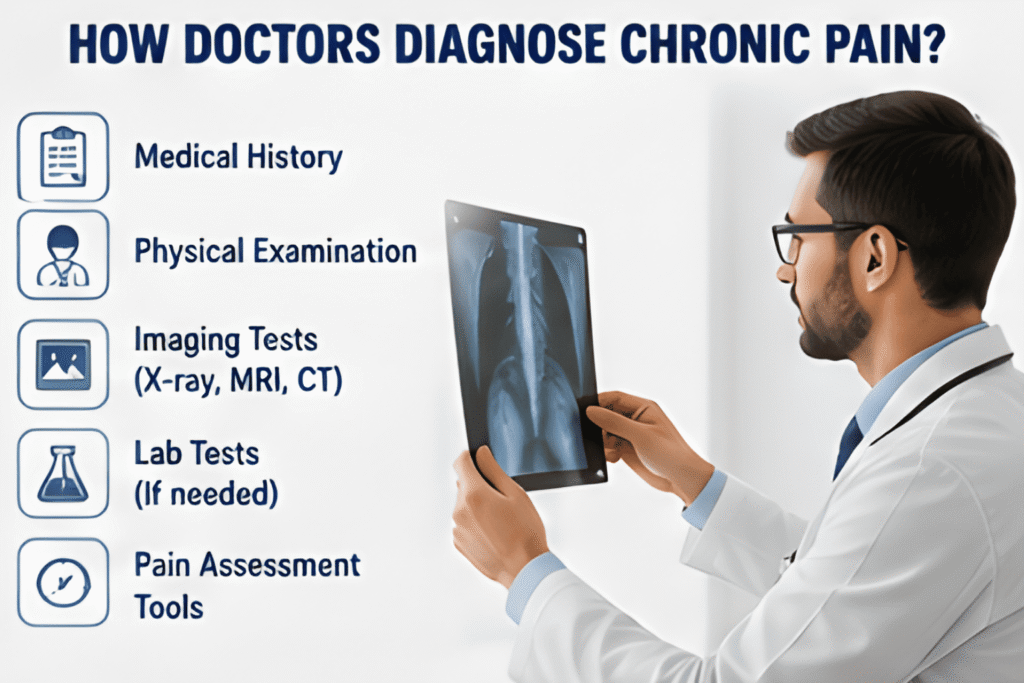
How Chronic Pain Is Diagnosed
There is no single test that can diagnose every type of chronic pain. Instead, healthcare providers use a combination of medical history, physical examination, and diagnostic investigations to determine the underlying cause.
An accurate diagnosis is the foundation of an effective treatment plan.
Medical History
Your doctor will ask detailed questions such as:
- When did the pain begin?
- Where is the pain located?
- How severe is the pain?
- Is it constant or intermittent?
- What makes the pain better or worse?
- Have you had previous injuries or surgeries?
- Does the pain interfere with sleep or work?
- What treatments have you already tried?
Providing detailed information helps identify patterns that may indicate a specific condition.
Physical Examination
During the examination, your doctor may assess:
- Range of motion
- Muscle strength
- Joint stability
- Reflexes
- Balance and coordination
- Areas of tenderness
- Sensation and nerve function
- Walking pattern (gait)
These findings help determine whether the pain originates from muscles, joints, bones, nerves, or other structures.
Imaging Tests
If necessary, imaging studies may be recommended to evaluate the affected area.
These can include:
X-rays
Useful for detecting:
- Arthritis
- Bone fractures
- Joint degeneration
- Bone deformities
MRI (Magnetic Resonance Imaging)
MRI provides detailed images of soft tissues and is commonly used to identify:
- Herniated discs
- Ligament injuries
- Nerve compression
- Spinal disorders
- Muscle injuries
CT Scan
CT scans provide detailed cross-sectional images and may be used when evaluating complex bone or spinal conditions.
Ultrasound
Ultrasound can help assess:
- Tendons
- Ligaments
- Muscles
- Soft tissue injuries
It is also commonly used to guide certain pain management procedures.
Laboratory Tests
Blood tests may be recommended if your doctor suspects:
- Infection
- Autoimmune disease
- Inflammatory conditions
- Metabolic disorders
These tests help rule out or confirm specific medical conditions contributing to chronic pain.
Nerve Function Tests
When nerve-related pain is suspected, specialized tests may be advised.
These include:
- Nerve Conduction Studies (NCS)
- Electromyography (EMG)
These tests evaluate how well nerves and muscles are functioning and can help diagnose neuropathy, nerve compression, or other neurological disorders.
Pain Assessment
Healthcare providers often use standardized pain assessment tools to better understand how pain affects your daily life.
You may be asked to rate your pain on a scale from 0 to 10 or complete questionnaires about mobility, sleep, work, and emotional well-being.
This information helps monitor progress and adjust treatment plans over time.
Why an Accurate Diagnosis Matters
Many different conditions can produce similar symptoms. For example, lower back pain may result from muscle strain, arthritis, a herniated disc, nerve compression, or another underlying problem.
Treating pain without identifying its cause may provide only temporary relief. A thorough evaluation allows healthcare professionals to recommend treatments that address the source of the pain rather than simply masking symptoms.
With advances in modern pain medicine, many people can achieve significant relief through personalized, non-surgical treatment plans that improve both comfort and quality of life.
Non-Surgical Treatment Options for Chronic Pain
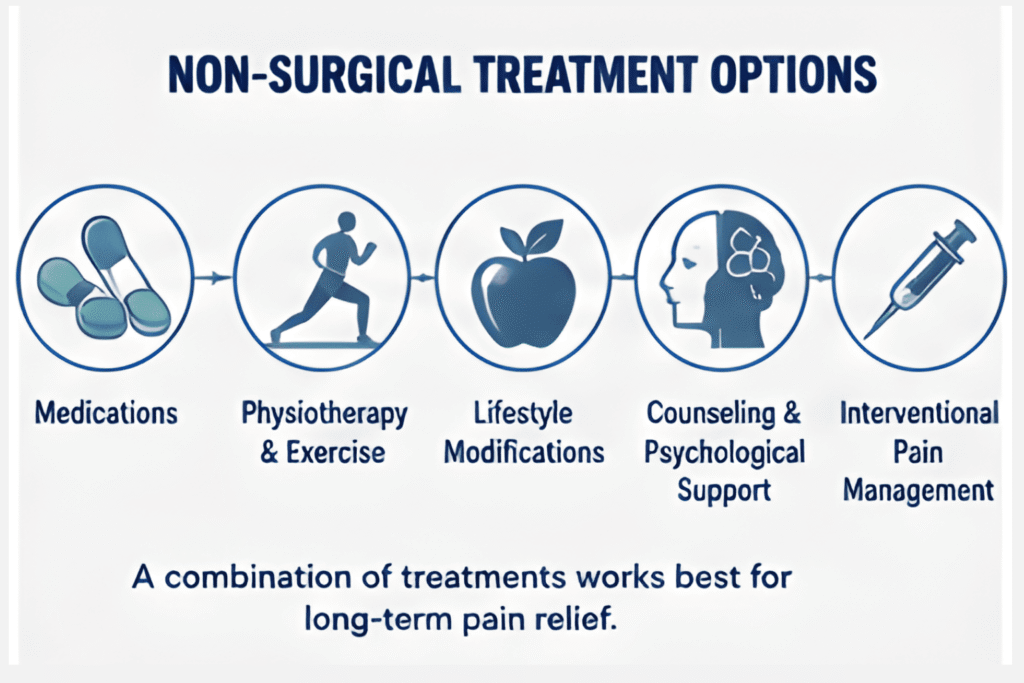
The primary goal of chronic pain management is not just to reduce pain but also to improve mobility, restore daily function, and enhance overall quality of life. Today, many patients can achieve significant relief without surgery through a personalized treatment plan.
The most effective approach often combines medication, physical rehabilitation, lifestyle changes, and minimally invasive pain management procedures.
1. Medications
Medications may help relieve pain and reduce inflammation, but they should always be used under the guidance of a qualified healthcare professional.
Depending on the cause of the pain, your doctor may recommend:
- Pain relievers
- Anti-inflammatory medications
- Muscle relaxants
- Medications for nerve-related pain
- Topical creams or gels
Medication alone is rarely the best long-term solution. It is usually combined with other therapies for better and longer-lasting results.
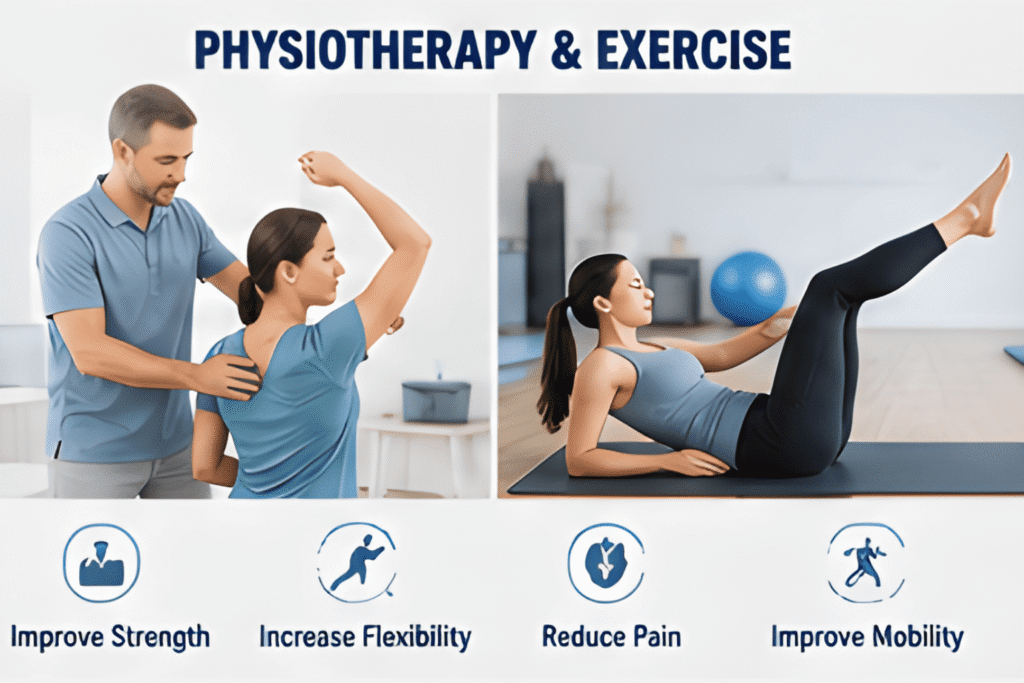
2. Physiotherapy and Rehabilitation
Physiotherapy is one of the most effective treatments for many chronic pain conditions.
A physiotherapist designs an individualized exercise program to:
- Improve flexibility
- Strengthen muscles
- Correct posture
- Improve joint mobility
- Reduce stiffness
- Prevent future injuries
Common techniques include:
- Stretching exercises
- Strength training
- Manual therapy
- Balance training
- Posture correction
- Heat or cold therapy
- Ultrasound therapy
- Electrical stimulation (when appropriate)
Regular physiotherapy can help many patients return to normal activities while reducing dependence on medications.
3. Lifestyle Changes
Simple lifestyle modifications can make a significant difference in managing chronic pain.

Stay Physically Active
Low-impact activities help keep muscles and joints healthy, such as:
- Walking
- Swimming
- Cycling
- Yoga
- Gentle stretching
Exercise should be started gradually and tailored to your condition.
Maintain a Healthy Weight
Excess body weight places additional stress on the spine, knees, hips, and ankles.
Even modest weight loss can reduce pain and improve mobility.
Eat a Balanced Diet
A nutritious diet supports overall health and may help reduce inflammation.
Include:
- Fruits
- Vegetables
- Whole grains
- Lean protein
- Healthy fats
- Adequate hydration
Limiting processed foods and excessive sugar may also be beneficial.
Improve Sleep
Poor sleep often makes pain feel worse.
Healthy sleep habits include:
- Going to bed at the same time each day
- Limiting screen time before sleep
- Creating a quiet, comfortable sleep environment
- Avoiding caffeine late in the day
4. Psychological Support
Chronic pain affects both the body and the mind.
Living with persistent pain can contribute to:
- Anxiety
- Depression
- Stress
- Social isolation
- Reduced confidence
Counselling and cognitive behavioural therapy (CBT) may help patients develop practical coping strategies, improve emotional well-being, and better manage the impact of chronic pain on daily life.
Mindfulness, relaxation techniques, and meditation may also support overall pain management.
5. Interventional Pain Management
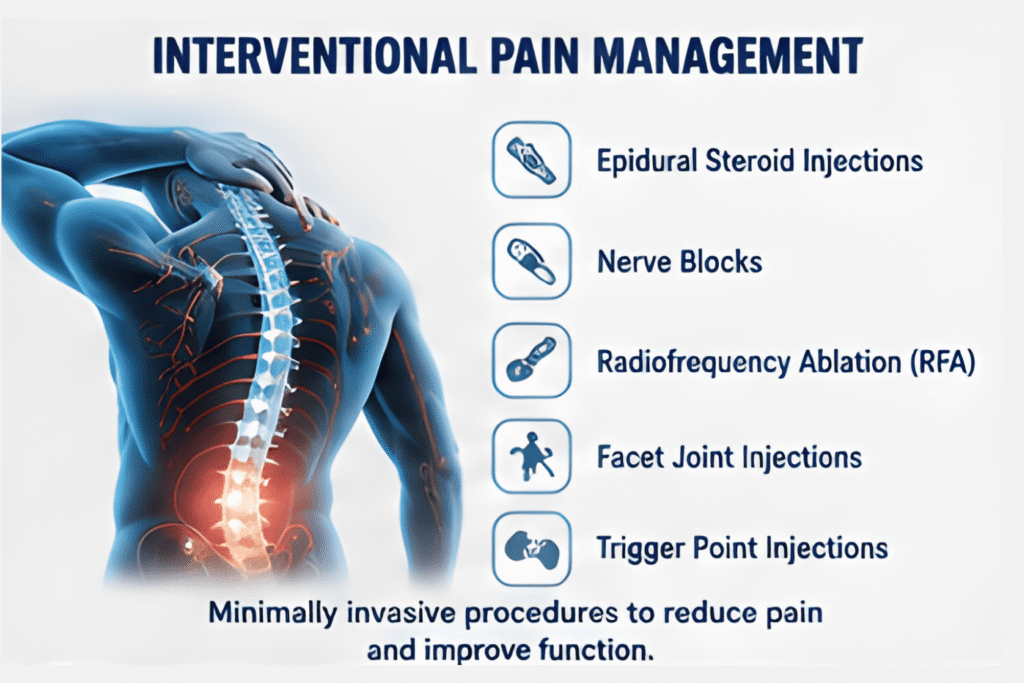
For patients whose pain does not improve with conservative treatment, minimally invasive procedures may provide effective relief.
These procedures are often performed without major surgery and usually involve shorter recovery times.
Examples include:
Nerve Blocks
Medication is injected near specific nerves to interrupt pain signals.
Nerve blocks may be recommended for:
- Neck pain
- Back pain
- Cancer pain
- Joint pain
- Certain nerve disorders
Epidural Steroid Injections
These injections help reduce inflammation around irritated spinal nerves.
They are commonly used for:
- Sciatica
- Herniated discs
- Spinal stenosis
- Lower back pain
Joint Injections
Medication is injected directly into painful joints to reduce inflammation and improve movement.
These treatments may benefit patients with arthritis affecting the knees, shoulders, hips, or other joints.
Radiofrequency Ablation (RFA)
This procedure uses controlled heat to interrupt pain signals from targeted nerves.
RFA may provide longer-lasting pain relief for selected patients with chronic neck, back, or joint pain.
Trigger Point Injections
Patients with painful muscle knots may benefit from trigger point injections, which help relax tight muscles and reduce discomfort.
6. Multidisciplinary Pain Management
Chronic pain is often best managed through a team-based approach.
Depending on your condition, your care team may include:
- Pain specialists
- Physiotherapists
- Rehabilitation experts
- Psychologists
- Primary care physicians
- Oncologists (for cancer-related pain)
Working together, these professionals create a personalized treatment plan based on your symptoms, medical history, and treatment goals.
Can Chronic Pain Be Prevented?
Although not every condition can be prevented, healthy lifestyle choices can reduce your risk of developing chronic pain.
Helpful preventive measures include:
- Maintaining good posture
- Exercising regularly
- Strengthening core muscles
- Maintaining a healthy weight
- Lifting heavy objects correctly
- Taking breaks from prolonged sitting
- Managing stress
- Treating injuries early
- Controlling chronic medical conditions such as diabetes and arthritis
Small daily habits can have a lasting impact on long-term musculoskeletal health.
Living Well with Chronic Pain
Many people believe chronic pain means giving up the activities they enjoy. In reality, with the right treatment plan, many patients continue to lead active and fulfilling lives.
Successful pain management focuses on:
- Reducing pain intensity
- Improving physical function
- Increasing independence
- Enhancing emotional well-being
- Helping patients return to work, family life, and hobbies
Recovery looks different for everyone, but consistent treatment and follow-up often lead to meaningful improvements.
Why Early Treatment Makes a Difference
Ignoring chronic pain can allow the condition to worsen over time.
Delayed treatment may lead to:
- Reduced mobility
- Muscle weakness
- Joint stiffness
- Sleep disturbances
- Emotional distress
- Lower quality of life
Seeking medical advice early can help identify the cause, prevent complications, and improve long-term outcomes.
Modern pain management offers many effective, non-surgical options that are tailored to each patient’s individual needs, helping them regain comfort, confidence, and control over their lives.
Frequently Asked Questions (FAQs)
1. What is chronic pain?
Chronic pain is pain that lasts for more than three months or continues beyond the normal healing period. It can affect muscles, joints, nerves, bones, or internal organs and may interfere with daily activities and quality of life.
2. What causes chronic pain?
Common causes include arthritis, back and neck disorders, nerve damage, sports injuries, diabetes, cancer, fibromyalgia, autoimmune diseases, and previous surgeries. Sometimes, chronic pain may have more than one contributing factor.
3. Can chronic pain be treated without surgery?
Yes. Many patients benefit from non-surgical treatments such as physiotherapy, medications, lifestyle changes, and minimally invasive pain management procedures. The right treatment depends on the underlying cause of the pain.
4. When should I see a pain specialist?
If pain lasts longer than three months, limits your daily activities, disturbs your sleep, or does not improve with initial treatment, it is advisable to consult a pain specialist for a comprehensive evaluation.
5. Is chronic pain a normal part of ageing?
No. Although some conditions become more common with age, persistent pain should not be considered a normal part of ageing. Proper diagnosis and treatment can often improve symptoms and function.
6. Can stress make chronic pain worse?
Yes. Stress, anxiety, and poor sleep can increase the perception of pain. Managing emotional well-being is often an important part of a comprehensive pain management plan.
7. What lifestyle changes help manage chronic pain?
Regular physical activity, maintaining a healthy weight, eating a balanced diet, getting adequate sleep, reducing stress, and avoiding tobacco can all support long-term pain management.
8. How is chronic pain diagnosed?
Diagnosis typically includes a detailed medical history, physical examination, and, when necessary, imaging tests or other investigations to identify the underlying cause.
9. Are pain management procedures safe?
Many minimally invasive pain procedures are considered safe when performed by qualified specialists. Your doctor will discuss the potential benefits and risks based on your specific condition.
10. Can chronic pain be cured completely?
Some causes of chronic pain can be resolved, while others can be effectively managed. The goal is to reduce pain, improve mobility, and help patients return to normal daily activities.
11. Can exercise make chronic pain worse?
Not necessarily. Appropriate, supervised exercise often helps improve strength, flexibility, and overall function. Your healthcare provider or physiotherapist can recommend exercises suitable for your condition.
12. Does chronic pain affect mental health?
Yes. Long-term pain may contribute to stress, anxiety, depression, and reduced quality of life. Addressing both physical and emotional health often leads to better outcomes.
13. How long does chronic pain treatment take?
Treatment duration varies depending on the cause, severity, and individual response. Some patients improve within weeks, while others require ongoing management and follow-up.
14. Can chronic pain return after treatment?
In some cases, symptoms may recur, especially if the underlying condition persists. Regular follow-up, healthy lifestyle habits, and adherence to the treatment plan can help reduce the risk of recurrence.
15. How can I book a consultation?
If you have persistent pain or symptoms that affect your daily life, contact Good Life Clinic to schedule an evaluation with a qualified pain management specialist.